
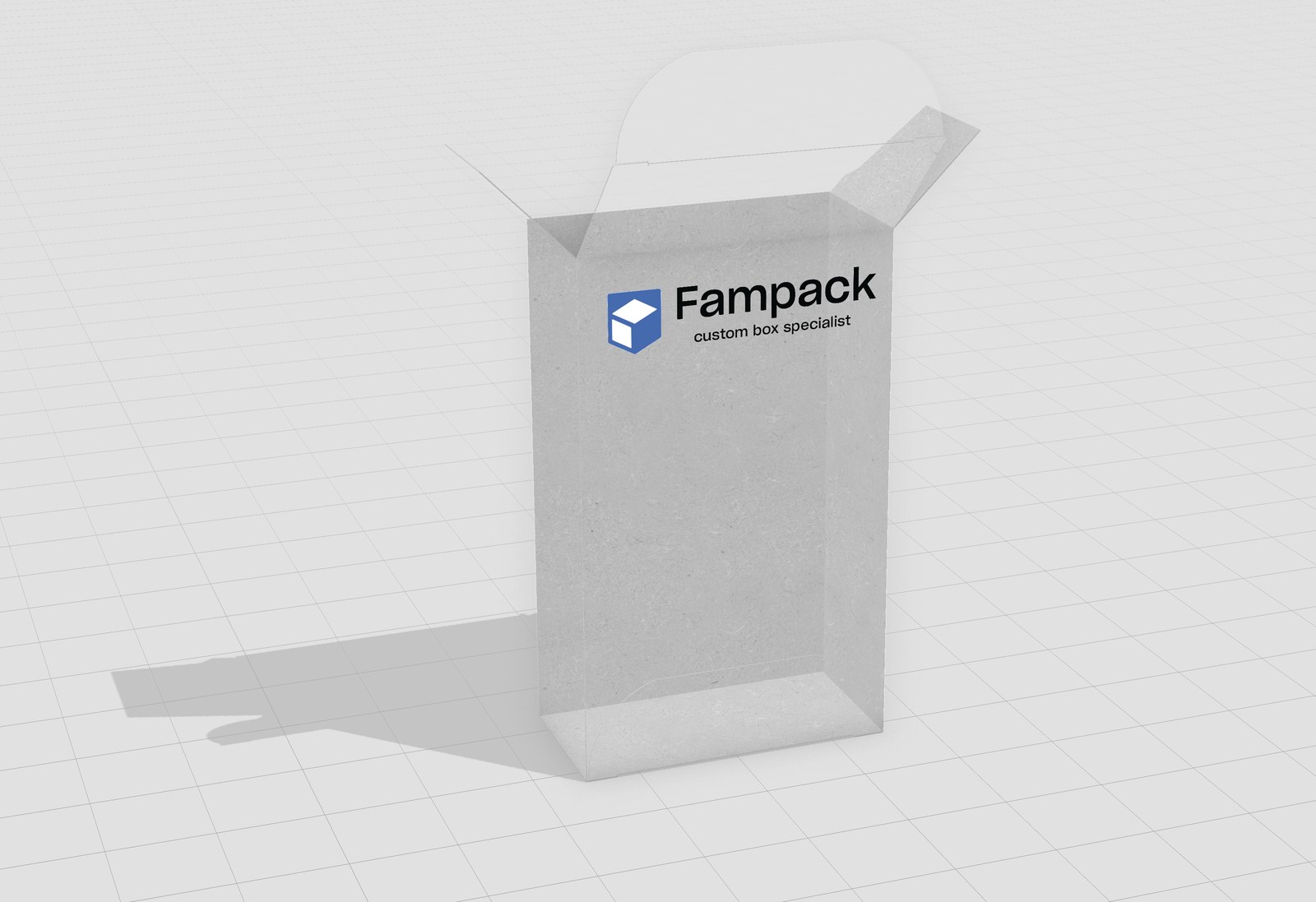
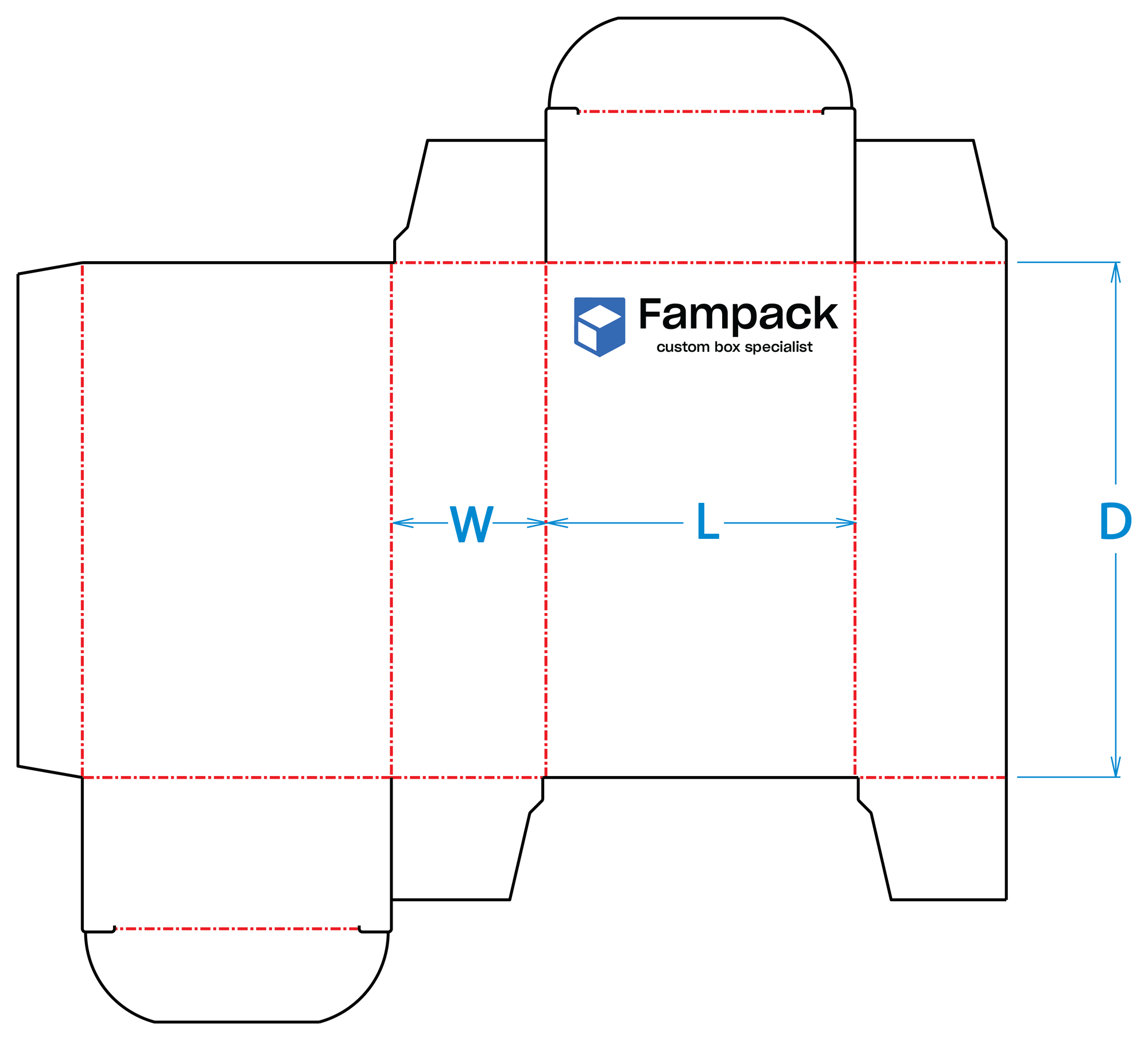
Reverse tuck (RTE)
Top tuck on the back panel, bottom tuck on the front. The most common retail carton — efficient on the sheet and fast to pack.
Carton styles
Each style is shown folded and as a flat. If you already have a dieline, we will match it. If you do not, we will spec one that packs, ships, and stands on the shelf.
How to measure
Order L × W × D, in that order. Inside dimensions unless you tell us otherwise.
Hang tabs, windows, and inserts are extra — send a sketch or a sample. Request a quote
Black = cut · red dashed = score / crease
Top tuck on the back panel, bottom tuck on the front. The most common retail carton — efficient on the sheet and fast to pack.
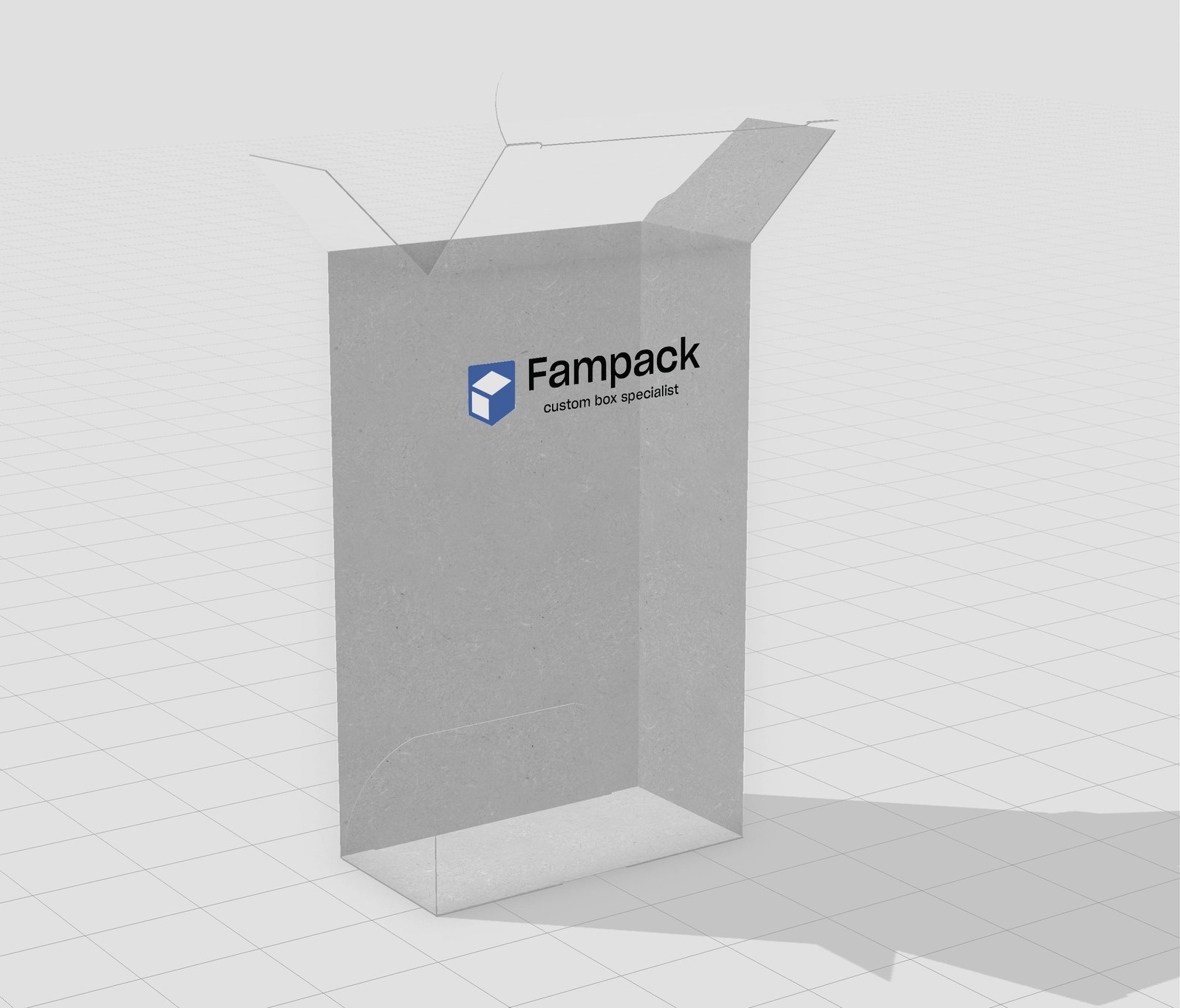
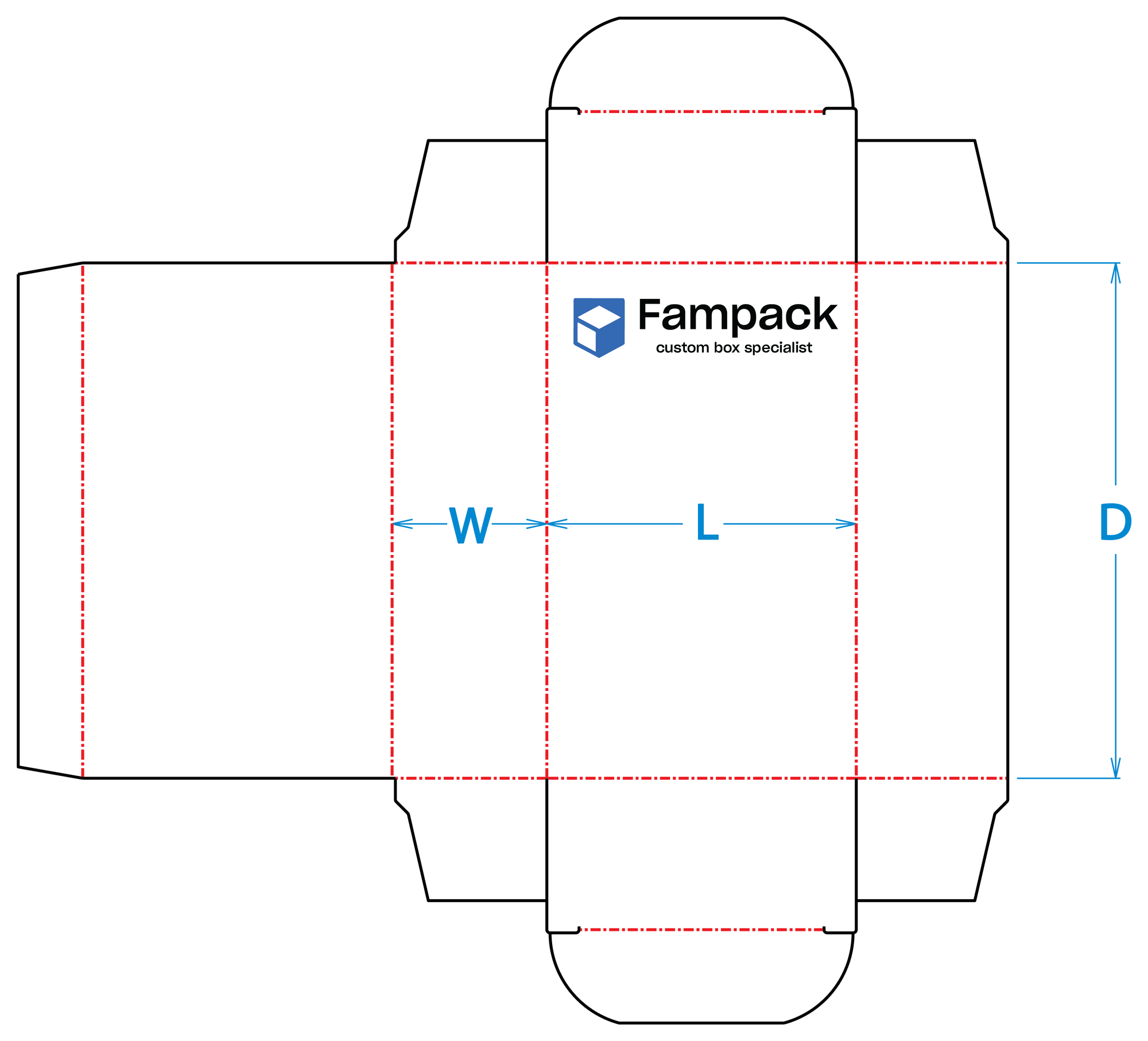
Both tucks fold from the same panel, so they close in the same direction. Cleaner face graphics; uses a little more board than reverse tuck.
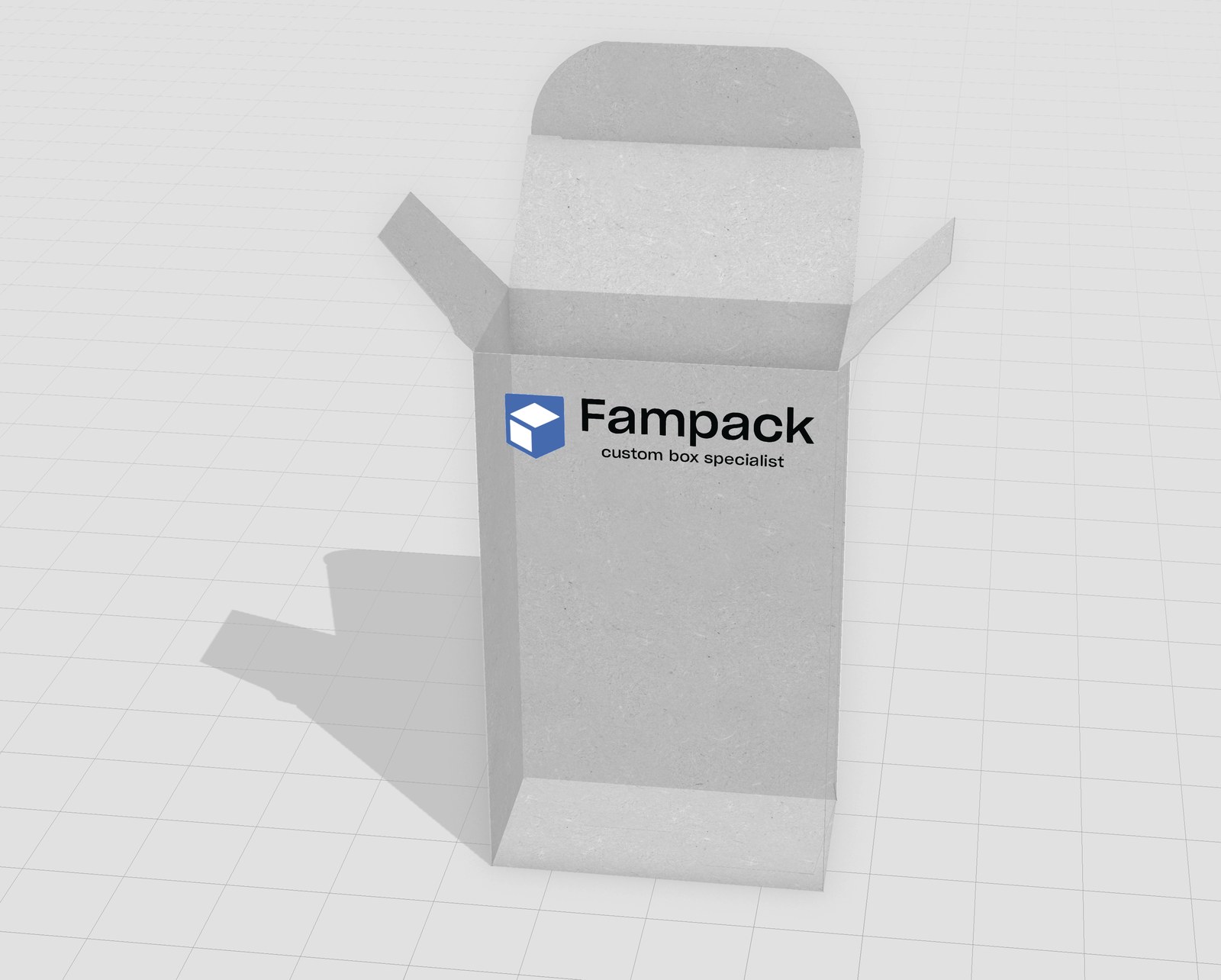
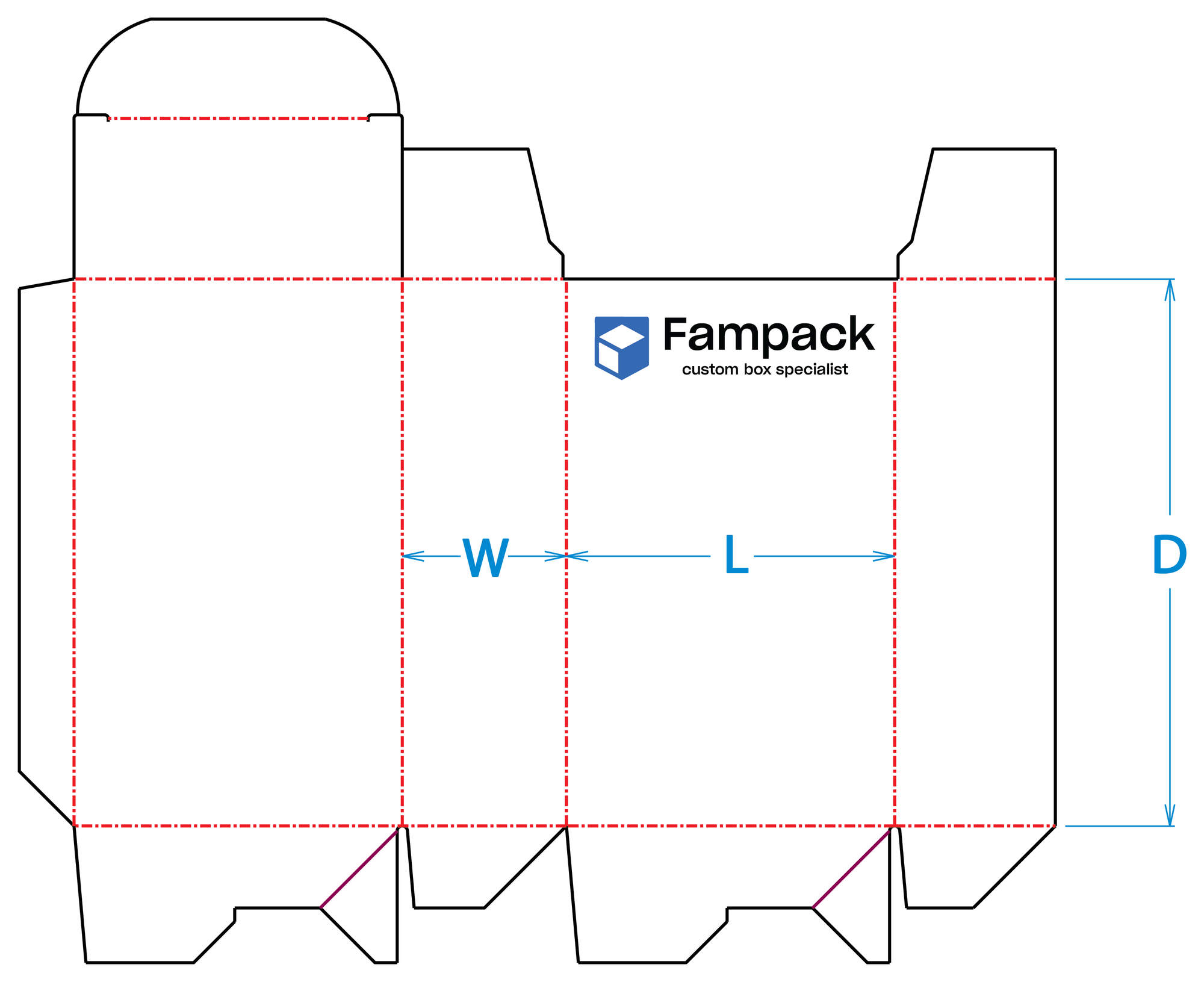
Tuck at the top, crash-lock / auto-lock bottom. The carton pops open and holds weight — bottles, jars, kits.
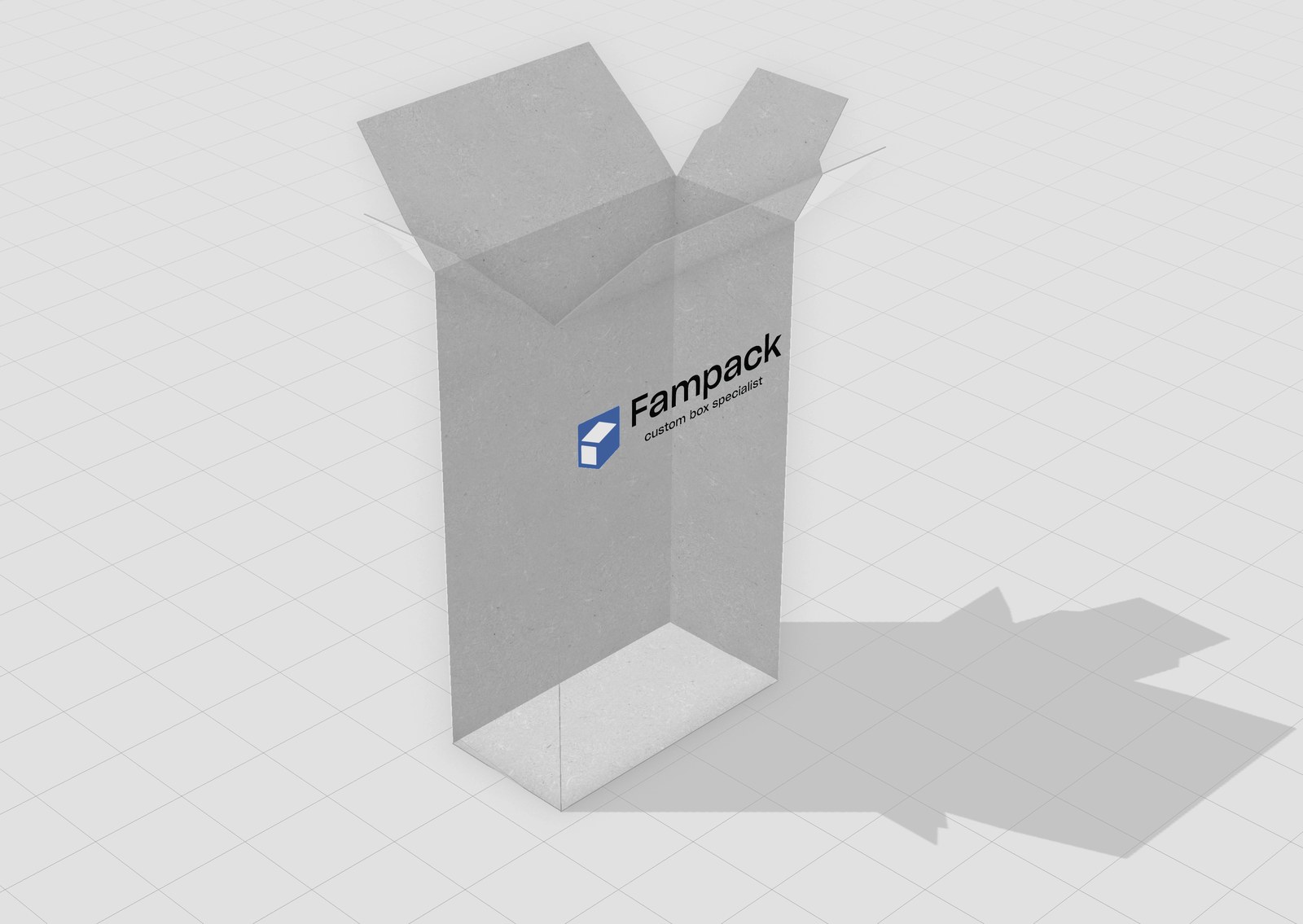
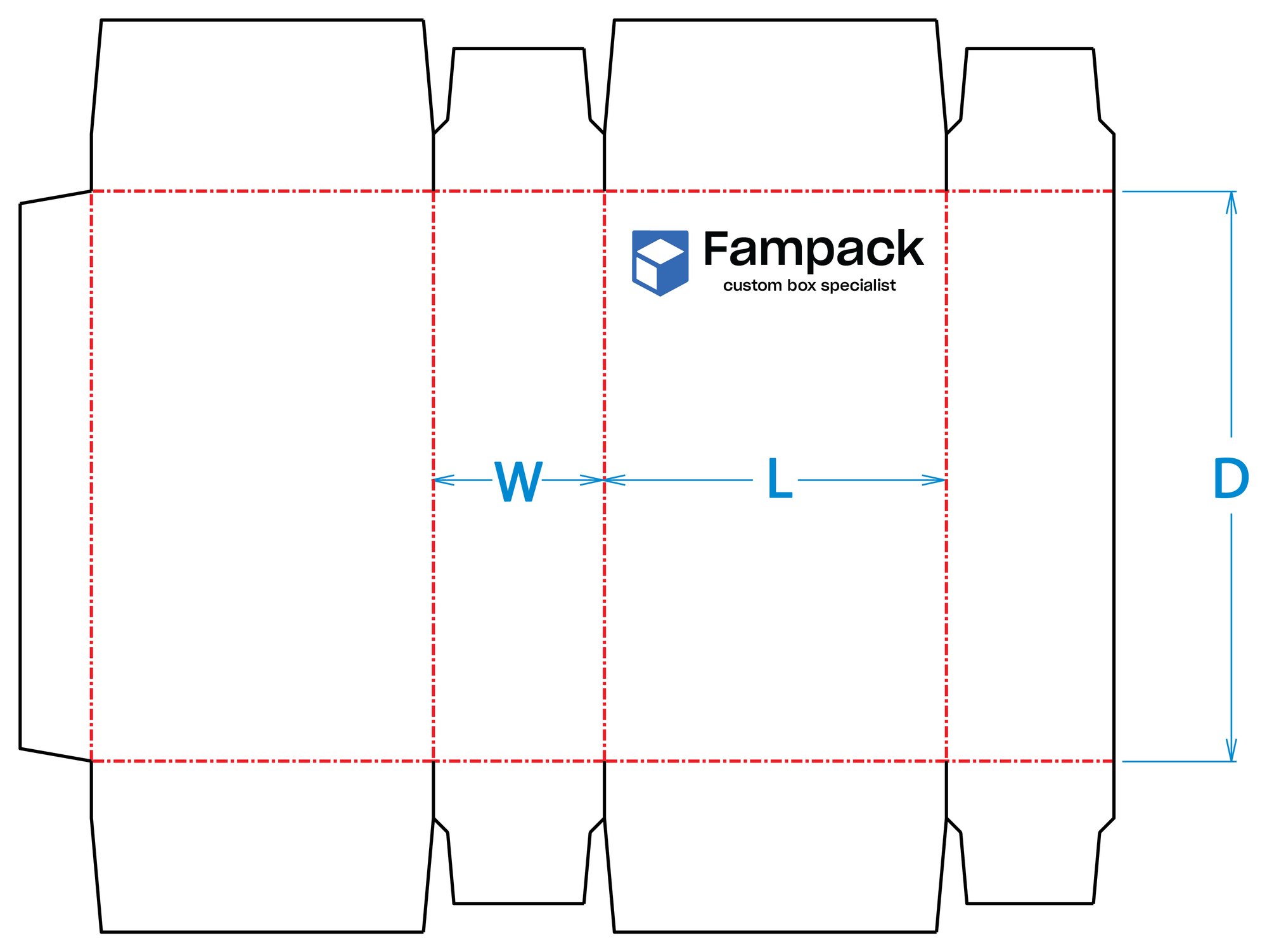
Glued flaps at both ends, no tucks. Cereal-style. Use it when the carton should not pop open in a shipper or on a filling line.
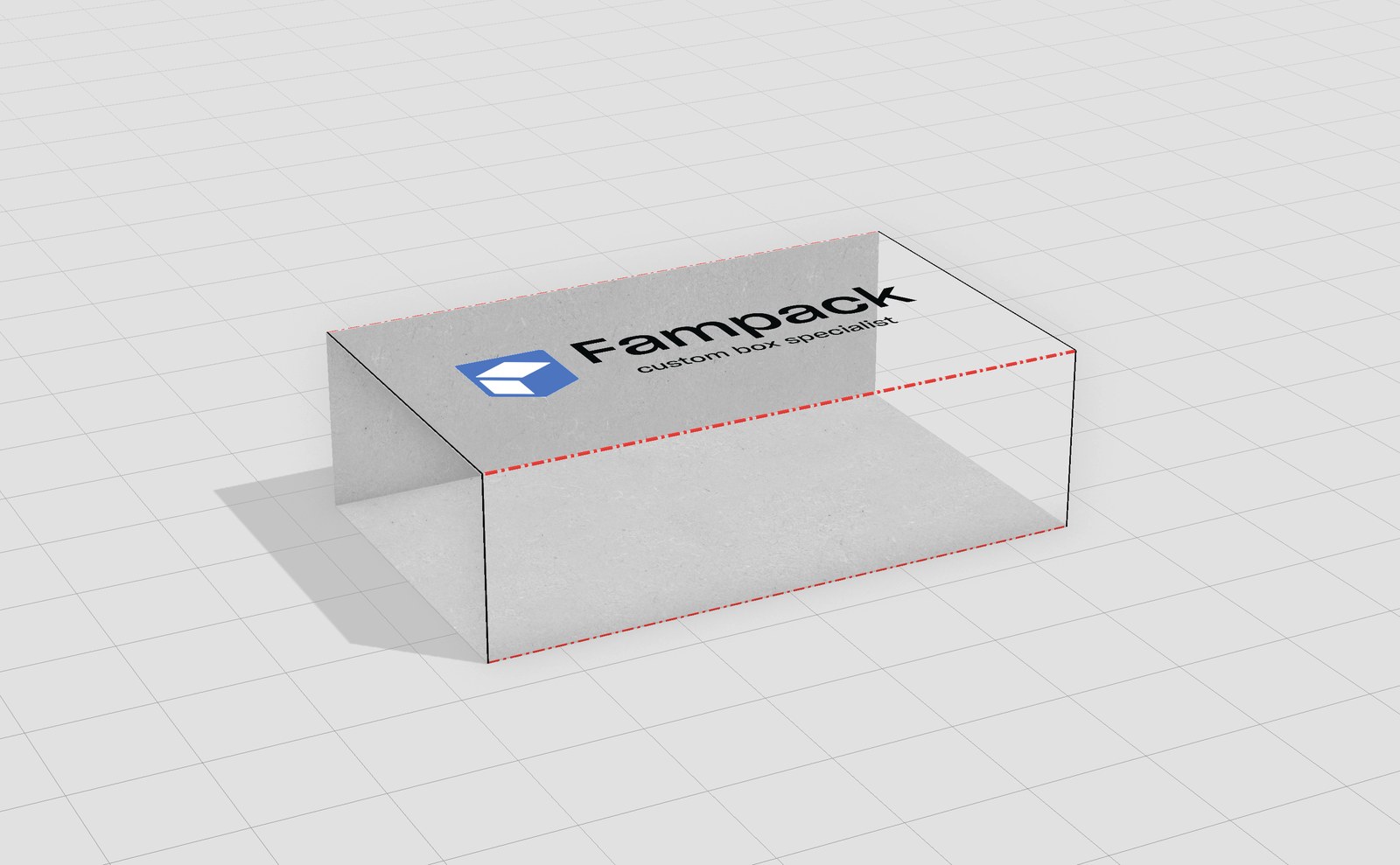
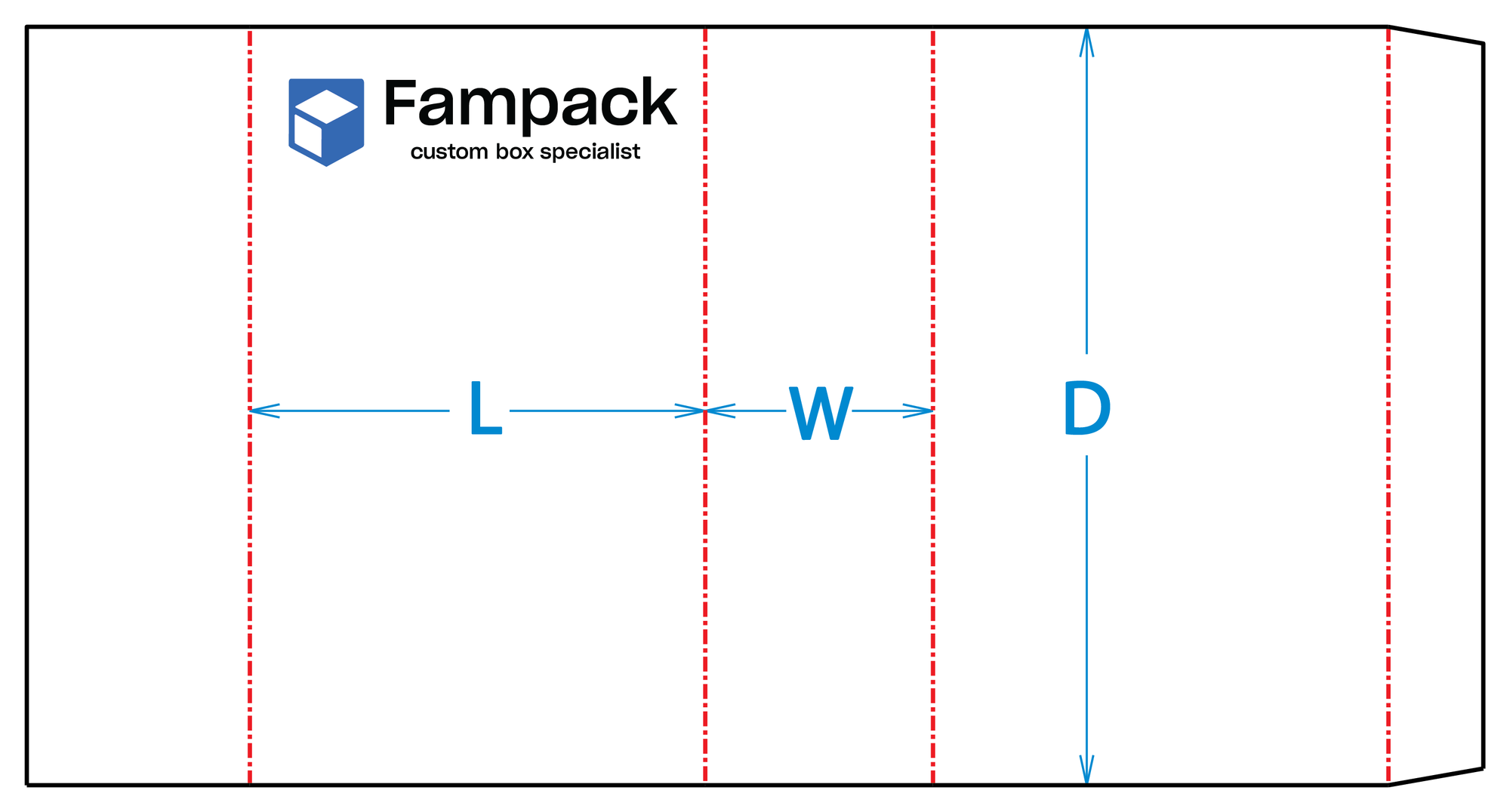
A printed tube, open both ends. Wraps a bottle, tray, or inner carton. High print area, almost no structure.
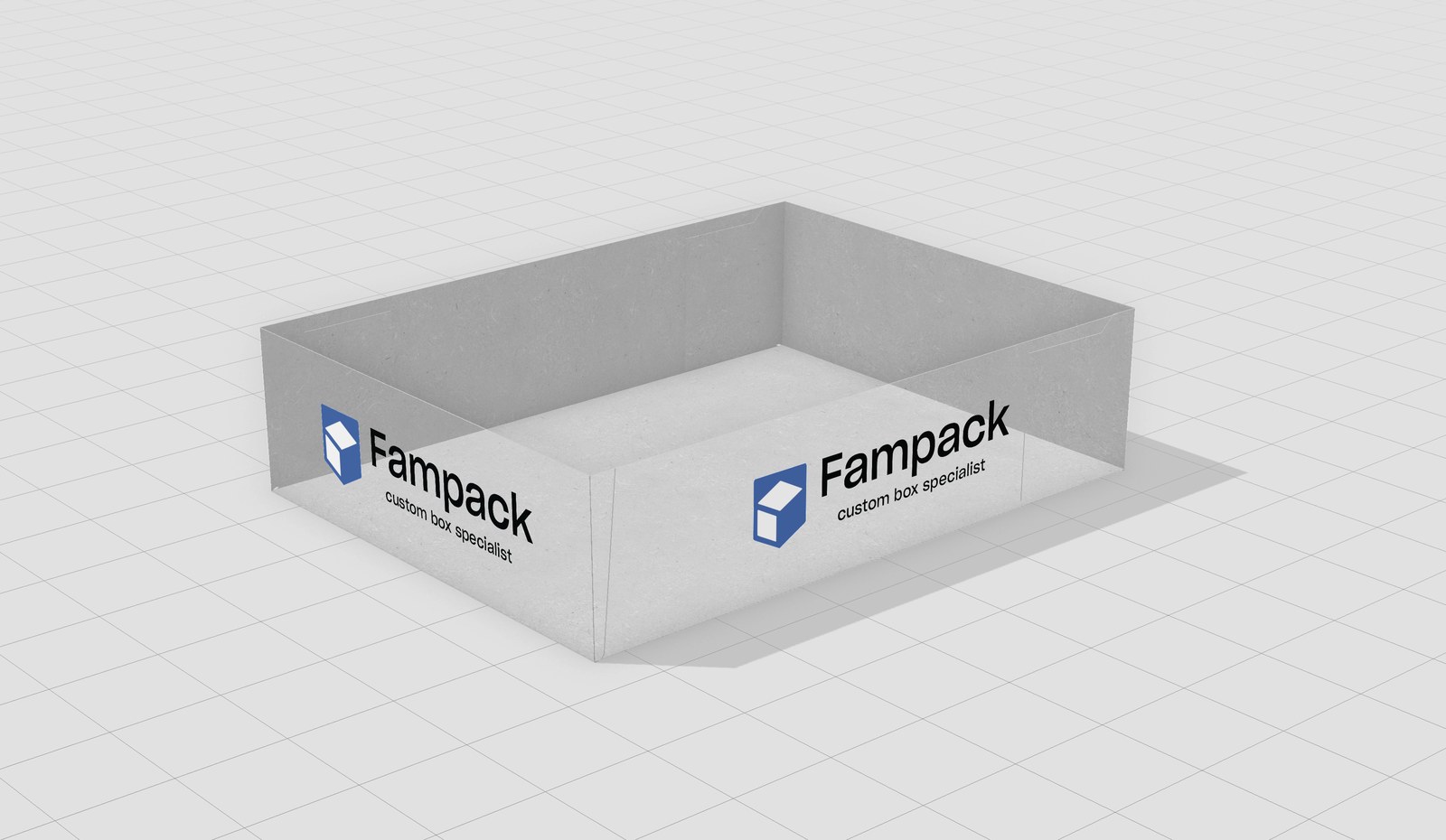
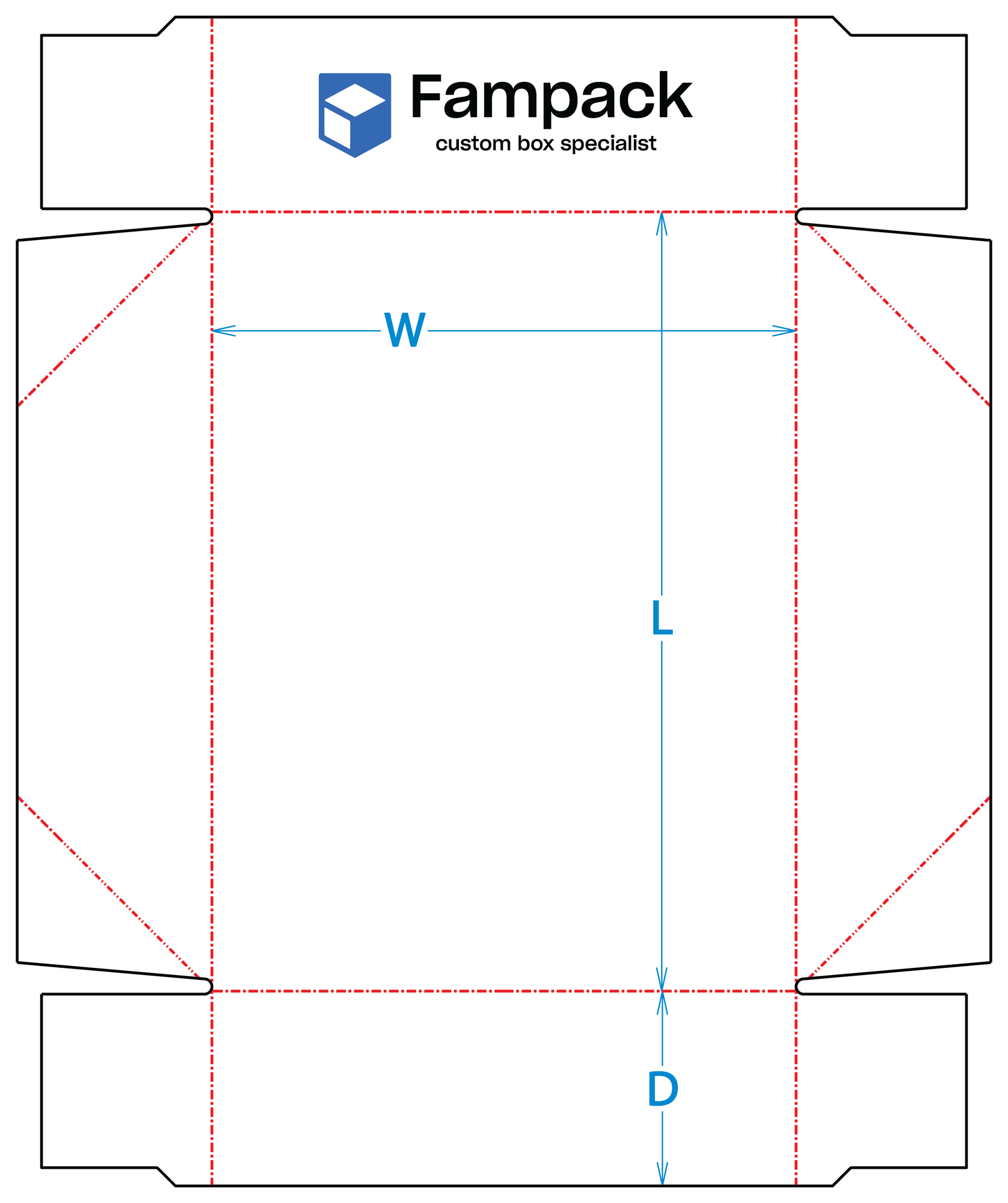
Beers-style tray with glued corners. Rigid walls for foodservice, gift packs, and anything that has to hold a shape empty.
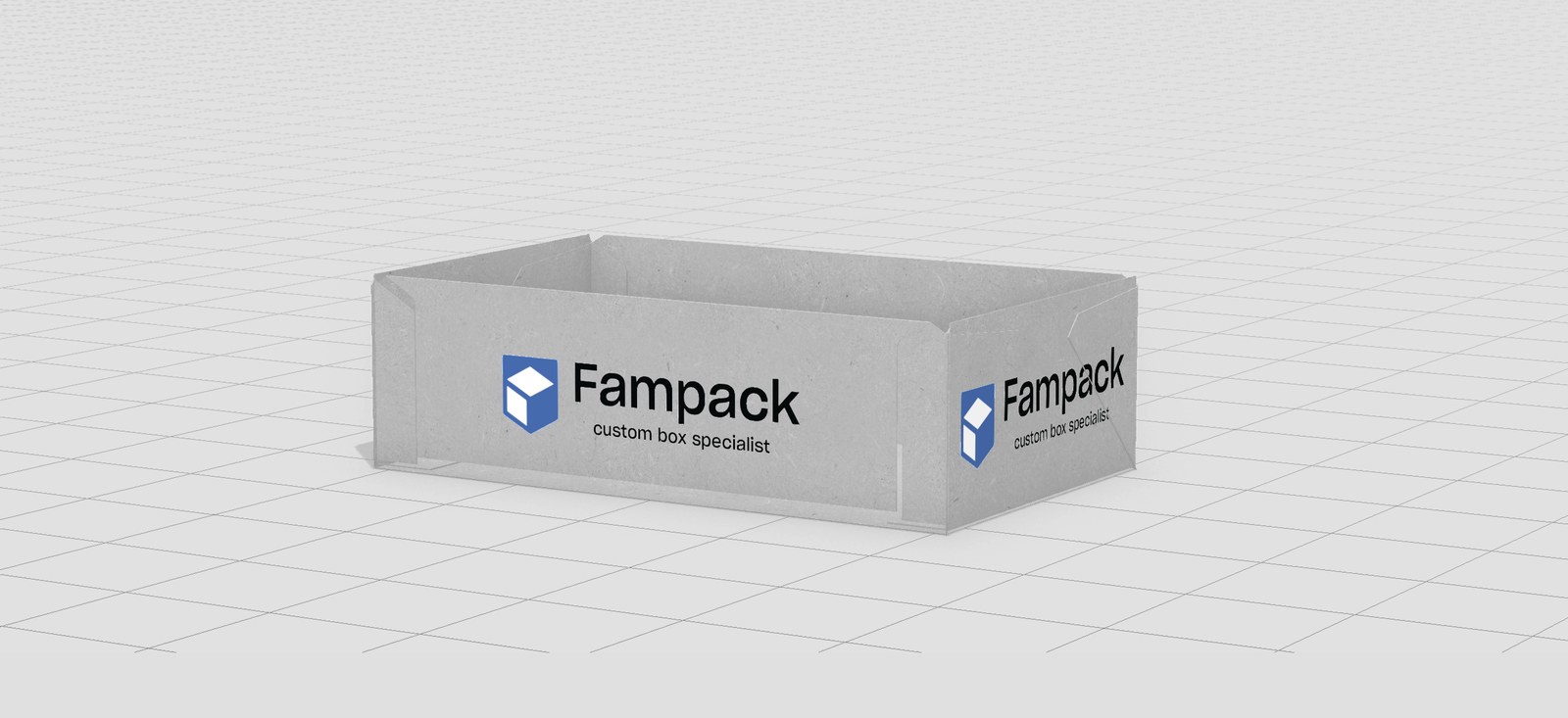
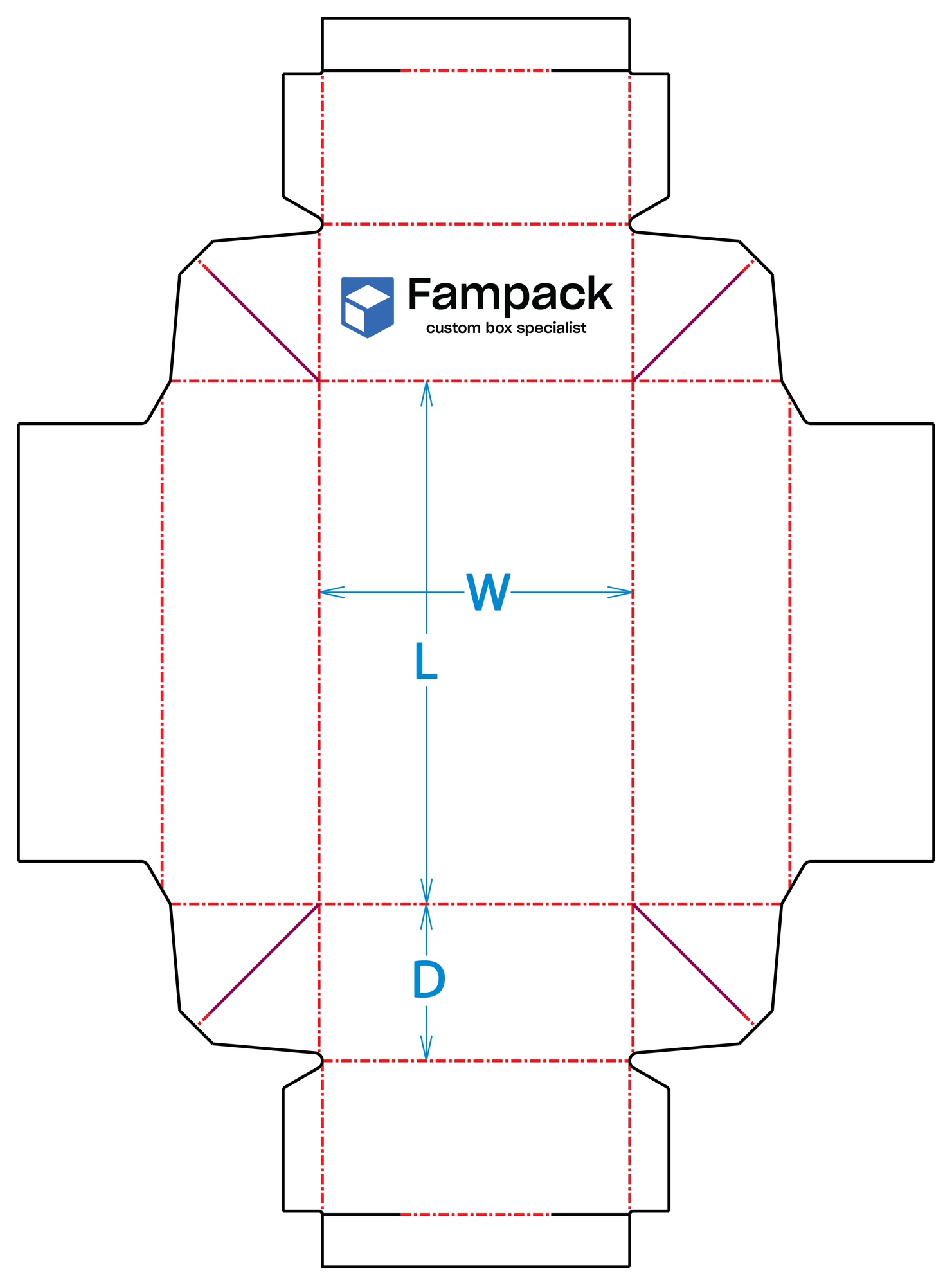
Double-glued sidewall. Sets up fast, holds a square, no tape on the pack line — also called DSWG.
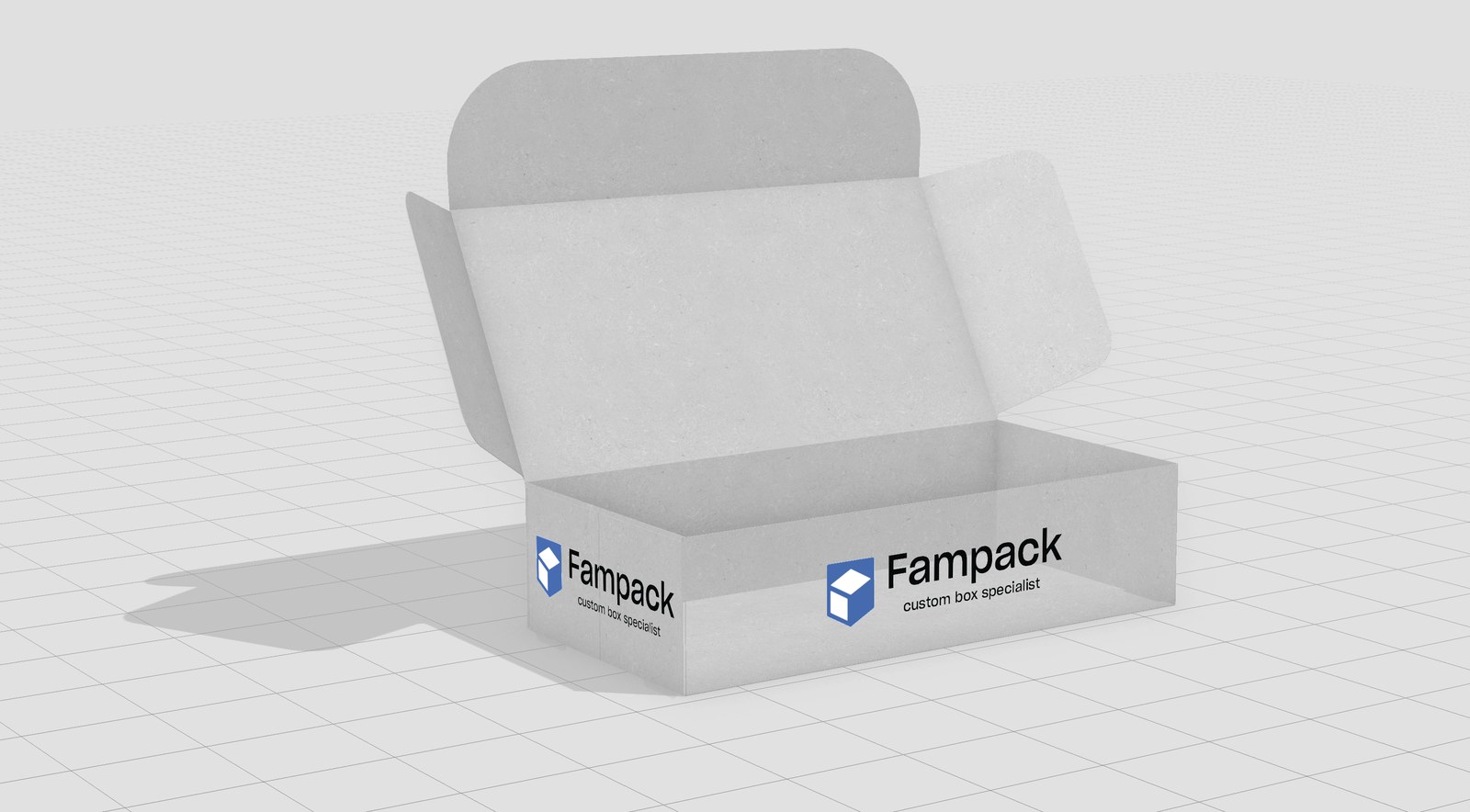
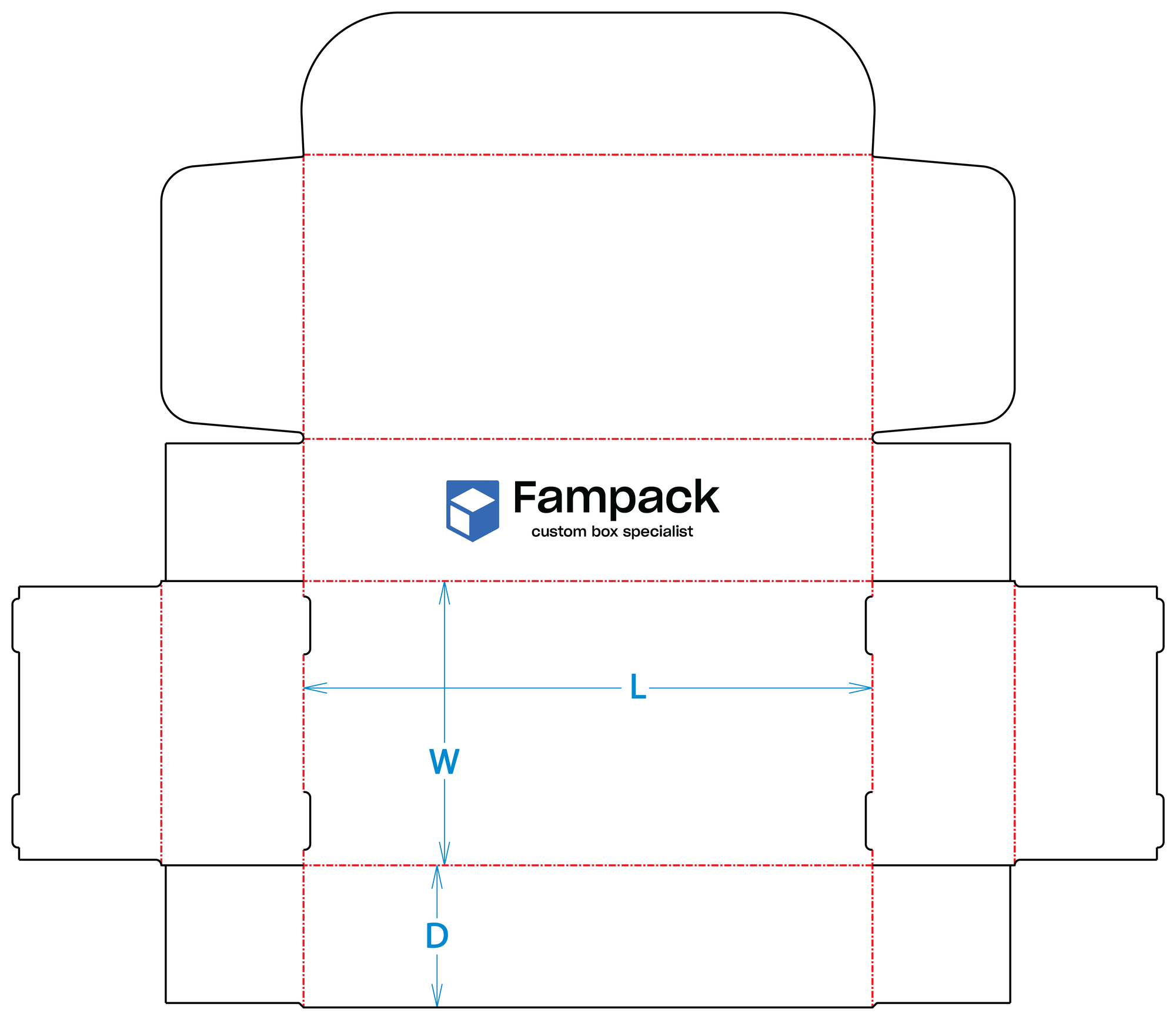
Roll end tuck top — also called RETT. Lock-corner tray with an attached lid. Foodservice, bakery, and gift packs that need a tray, not a tube.
Unusual locks, hang tabs, partitions, and hybrid corrugated packs are quoted from a sample or a drawing. Bring the product.
Tell us what you are packing, the quantity, and when you need it. If you only have a sample in hand, that is enough to start.